
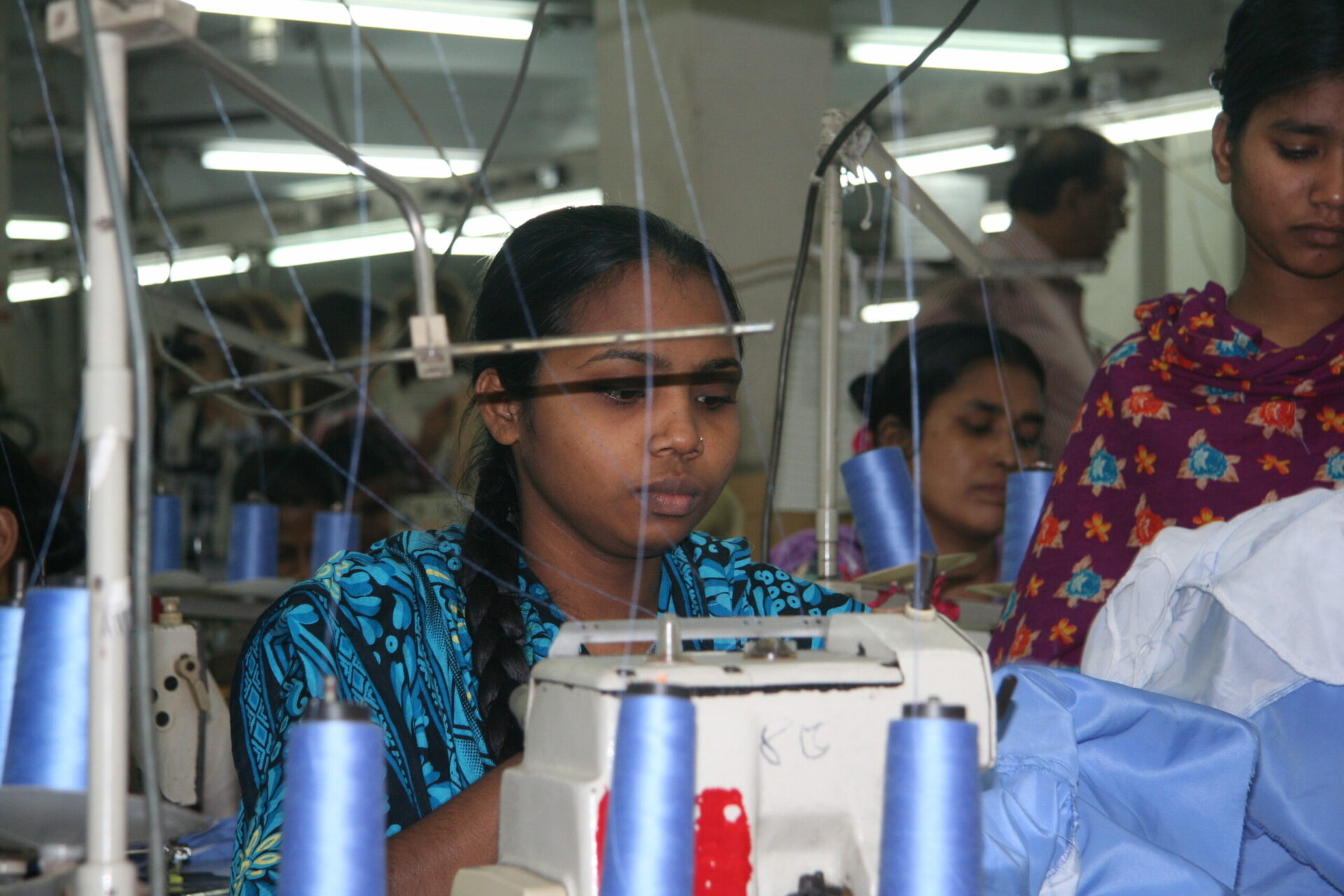
Rana Plaza: 13 years on—remembering the workers, renewing the fight for safety
Every year on April 24, workers and trade unions in Bangladesh and around the world mark the anniversary of the collapse of the Rana Plaza building in Dhaka, Bangladesh, in memory of over 3,000 workers killed or injured in the collapse and to ensure it never happens again.
The collapse was due to a failure in the building structure, which did not meet safety codes and expanded without a permit. The day before the collapse, workers observed large cracks in the walls and pillars of the building. Despite warnings and evidence of structural failure, workers were pressured, threatened with wage cuts, or forced by management to enter the building.
The search for survivors lasted for 19 days with a confirmed death toll of 1,134 and 2,500 injured. It is considered one of the most lethal structural failures in modern history and is the deadliest industrial accident in Bangladesh.
Three weeks after the collapse, the Bangladesh Accord for Building and Fire Safety was created by more than 200 global brands and trade unions to ensure safety in Bangladesh’s garment industry through mandatory, independent inspections, repairs of more than 1,500 factories.
In 2021, the agreement expanded to cover Pakistan with the formation of the International Accord for Health and Safety in the Textile and Garment Industry, a legally binding agreement on building and fire safety between 140 brands, South Asian garment unions, and the global trade union federations IndustriALL and UNI Global Union.
Workers and unions are supporting the renewal of the global accord to 2029 and are calling to expand its reach further to include garment workers in the MENA region, a rapidly growing manufacturing hub. Garment workers in the MENA region experience violations including wage theft, gender-based violence, unsafe working conditions, and restricted freedom of association.
Workers are also calling to expand the Accord’s coverage beyond the garment sector to include furniture and informal sectors.
Thirteen years after Rana Plaza, health and safety conditions in Bangladesh factories remain a top concern, as evidenced by the devastating fire on April 4 at a gas lighter factory near Dhaka that killed 5 workers.
In November 2025, Bangladesh became the first Asian country to ratify all 11 ILO fundamental instruments. Workers and unions are calling for the implementation of these standards, in particular the core conventions on health and safety C187, C155, as well as C121, the Employment and Injury Benefits Convention and C190, the Violence and Harassment Convention.
Trade unions are also waiting to see if anticipated labour reform will address and improve issues of inspections, minimum wages, freedom of association and the registration of trade unions.
Canada’s unions mark this sad anniversary with the commitment to continue working to improve worker rights and to call on the government of Canada to create mandatory due diligence legislation to ensure Canadian companies uphold worker rights in their supply chains.
We stand in solidarity with Bangladesh workers and trade unions in marking this solemn day.