
Call to action re municipal climate action funding
The government of BC appears to be cutting funding for cities to to take local climate action out of the provincial budget. Yes, there are many competing priorities. But with climate action, the math is very simple: pay now or pay more later.
We encourage you to share your thoughts on this with the provincial government. Here’s the letter we sent:
May 25, 2026
To: Premier David Eby ([email protected]),
Minister of Finance Brenda Bailey ([email protected]),
Minister of Energy and Climate Solutions Adrian Dix ([email protected]),
Minister of Housing & Municipal Affairs Christine Boyle ([email protected]),
Minister of Environment and Parks Tamara Davidson ([email protected]), and
Minister of Emergency Management and Climate Readiness Kelly Greene ([email protected])
RE: Request to reinstate funding BC’s Local Government Climate Action Program (LGCAP)
Dear Premier and Ministers:
We are writing to request that the Government of BC continue to fund municipal climate action. As a registered not-for-profit with a mission to build local resilience, we are acutely aware of the positive impact that the LGCAP has had in our city, and what the loss of this funding would mean for our Community Climate Action Plan and our general level of preparedness.
Kamloops is a rapidly growing urban centre with a population of over 100,000 residents, serving as a key hub for the Thompson-Nicola region. As the city continues to expand, so too do its infrastructure demands, transportation needs, and exposure to climate-related risks.
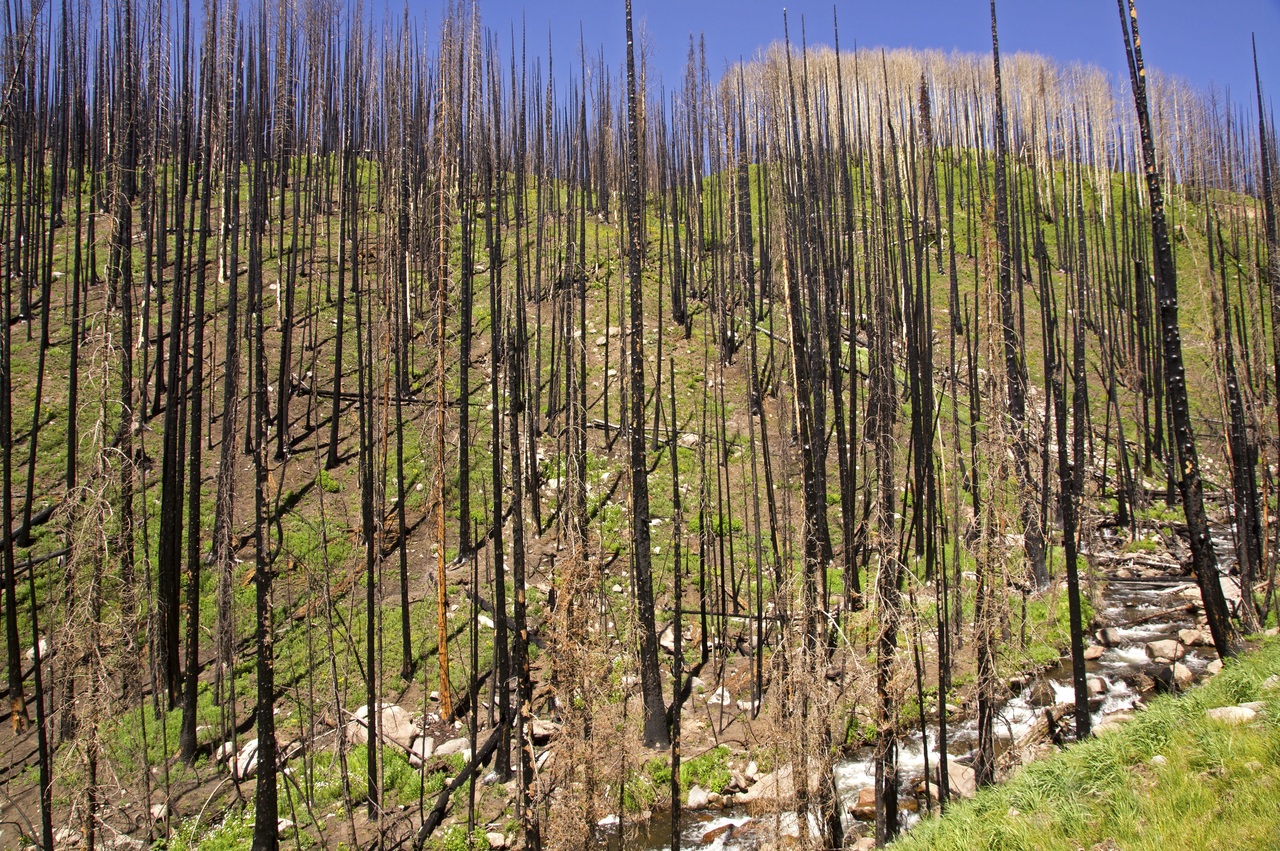
Our location in the dry interior of the province makes Kamloops extremely vulnerable to climate impacts. Our residents are already very familiar with the effects of drought, wildfires and the accompanying smoke, and we have had local evacuations and have hosted evacuees from other communities multiple times. We have experienced first-hand the havoc that an “atmospheric river” can cause: flooding that municipal infrastructure was unable to handle, as well as the effects of having major highways and transportation routes severed.
The City of Kamloops has used LGCAP funds to:
- Monitor, analyze and report corporate energy consumption and GHGs
- Upgrade HVAC systems to improve heat recovery in public facilities
- Implement a Bike Valet service (the lack of safe bike parking has been identified as a key barrier to increasing cycling mode share)
- Provide small grants to volunteer-driven community organizations for projects like tree planting within the municipality
- Support residents as they embark on home efficiency upgrades
- Install public cooling amenities
- Complete residential FireSmart assessments and remove problematic vegetation to reduce the risk of urban interface fires.
This is just a sampling of what these funds have enabled our city to do. The LGCAP funds are essential to our ability to manage the climate change impacts that we are already experiencing, as well as to mitigate and adapt to future impacts.
Climate action is inherently a long-term process, and its effectiveness depends on continuity and sustained investment. Interruptions in funding can disrupt implementation pathways, diminish the value of prior investments, and risk reversing progress that has already been achieved.
Modelling from the Canadian Climate Institute shows that for every $1 invested, governments can save between $13 and $15 in the long term. Since climate change is a time-sensitive issue, that impressive return on investment will be reduced if the investment is delayed. Either we pay now, or we’ll be paying much more later. Now is not the time to reduce funding for local climate action!
In addition to reducing future damages, spending on climate action spurs a host of desirable co-benefits: enhanced livability, improved public health, reduced air pollution, increased carbon sequestration, ecosystem preservation, economic innovation, improved water quality and enhanced resilience to future extreme weather events.
Since the impacts of climate change disproportionately affect our most vulnerable citizens and those with the greatest economic challenges, these investments reduce inequity in our community. In particular, active transportation infrastructure and improved transit enables folks to get around more easily regardless of their age, level of mobility, or economic status.
The City of Kamloops’ public consultations show time and again that residents want climate action to be a top priority. We call on the Government of BC to continue to support our City’s commitment to timely climate action. Withdrawing funding will leave us less prepared to effectively manage the climate crisis impacts we are experiencing, and will severely handicap the ability of our local government to make meaningful progress on this issue.
Sincerely,
Gisela Ruckert, President
Transition Kamloops

Transition Kamloops is a volunteer-driven, registered not-for-profit society focused on increasing local resilience and self-sufficiency in food, water, energy, culture and wellness. We emphasize a local economy, healthy ecosystems, and grassroots community building, while reducing our dependence on fossil fuels. We believe in a better way: a community that sustains life in all its diversity, strives for equality and justice and invests in the future.
Transition Kamloops recognizes that we are living on Secwépemcul’ecw—land that was never ceded to settlers, and continues to be home to vibrant Indigenous cultures, languages, and traditions. We acknowledge the impact of colonization, forced displacement, and ongoing struggles faced by Indigenous peoples. We commit to listening, learning, and building positive relationships with Indigenous communities as we work towards reconciliation.
My Blog Posts