
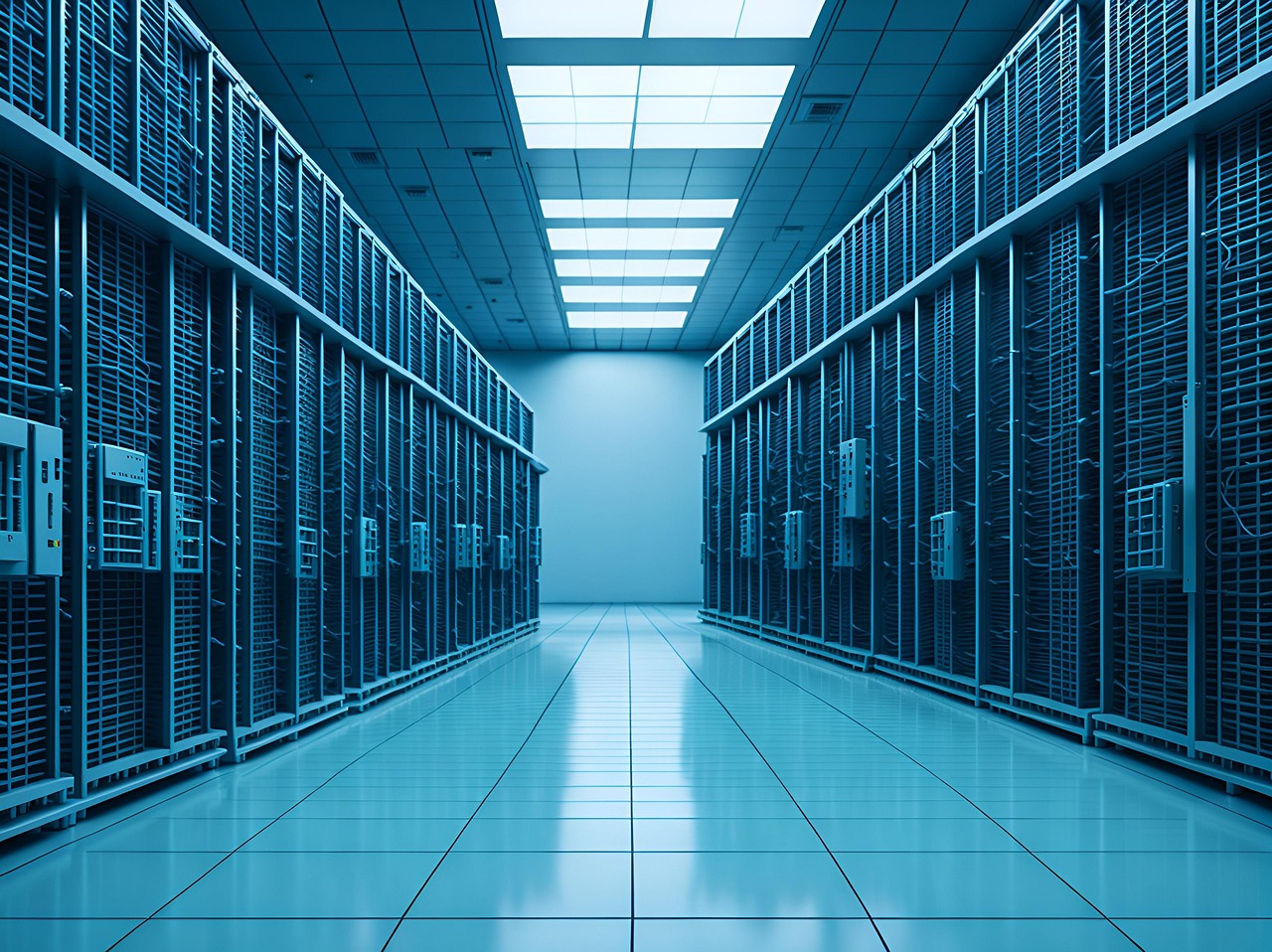
AI Data Centres are Coming to Kamloops!
Did you know that Kamloops will apparently be home to 3 new AI data centres in the next couple of years? They’re to be part of Bell Canada’s national network of centres, which is being initiated by a cluster of 6 in BC—half of them in Kamloops. They are coming ‘thick and fast,’ with the first to be built where the old Weyerhaeuser headquarters was located on Mission Flats road; it will be operational by June, a Bell representative says. Two more will be built at or near TRU and will open in reportedly 2026 and 2027; one of these has already received provisional approval.
The first centre will certainly provide benefits: 150 tradespeople will be employed to build it and another 15 people will work there long term. And of course, AI has been touted to increase innovation, improve medical diagnosis, and generally make life easier in a myriad of ways. The centres at TRU will no doubt be connected to learning and teaching at the university.
But—alarm bells are going off. Like many groups, the Conference Board of Canada warns that data centres “require big tracts of land, huge amounts of energy and vast amounts of water to keep cool”. This is certainly a concern for BC, as even with the new Site C dam coming on line, the province is apparently facing challenges keeping up with its energy needs. And especially in the interior of the province, water is a serious issue; the current drought has led to Thompson River water levels being unusually low this winter.
Drain on local water reserves is the main factor driving opposition to the AI data centre proposed for Nanaimo, as well as to one currently being built in Etobicoke (outside of Toronto). This latter centre has been approved to use 39.75 litres per second to cool the banks of computer circuits it will hold. And of course it is treated, potable water that is being consumed—a concern for many. Similar problems face California, where we know water is a precious commodity. In fact, a decline in freshwater is a global issue just as we move to dramatically expand AI data centres.
According to the Canadian Bar Association, the lack of legislation requiring data centres—and the companies that build them—to report on, and work to reduce, water and power consumption is a major red flag. They note that because water is abundant in Canada, unlike in the EU, which now requires data centers to file reports on resource usage, there is less pressure for regulations here.
Will promises about the amounts of water and power used be kept? Perhaps we need to ensure that there are some policies or regulations to fall back on just in case. Transition Kamloops is exploring this issue—get in touch if you want to be part of that team.
Transition Kamloops

Transition Kamloops is a volunteer-driven, registered not-for-profit society focused on increasing local resilience and self-sufficiency in food, water, energy, culture and wellness. We emphasize a local economy, healthy ecosystems, and grassroots community building, while reducing our dependence on fossil fuels. We believe in a better way: a community that sustains life in all its diversity, strives for equality and justice and invests in the future.
Transition Kamloops recognizes that we are living on Secwépemcul’ecw—land that was never ceded to settlers, and continues to be home to vibrant Indigenous cultures, languages, and traditions. We acknowledge the impact of colonization, forced displacement, and ongoing struggles faced by Indigenous peoples. We commit to listening, learning, and building positive relationships with Indigenous communities as we work towards reconciliation.
My Blog Posts