
TRU recognized as bee-friendly campus – TRU Newsroom
KAMLOOPS — The Thompson Rivers University (TRU) campus is abuzz with excitement after being named a certified Bee City Campus. Kamloops became BC’s first Bee City in 2017.
Bee City Canada, a charitable organization committed to pollinator conservation, recently bestowed the honour on the university.
TRU’s bee-friendly efforts include plenty of habitat creation on campus, with native plant gardens, a pollinator garden and an orchard with dozens of fruit trees.
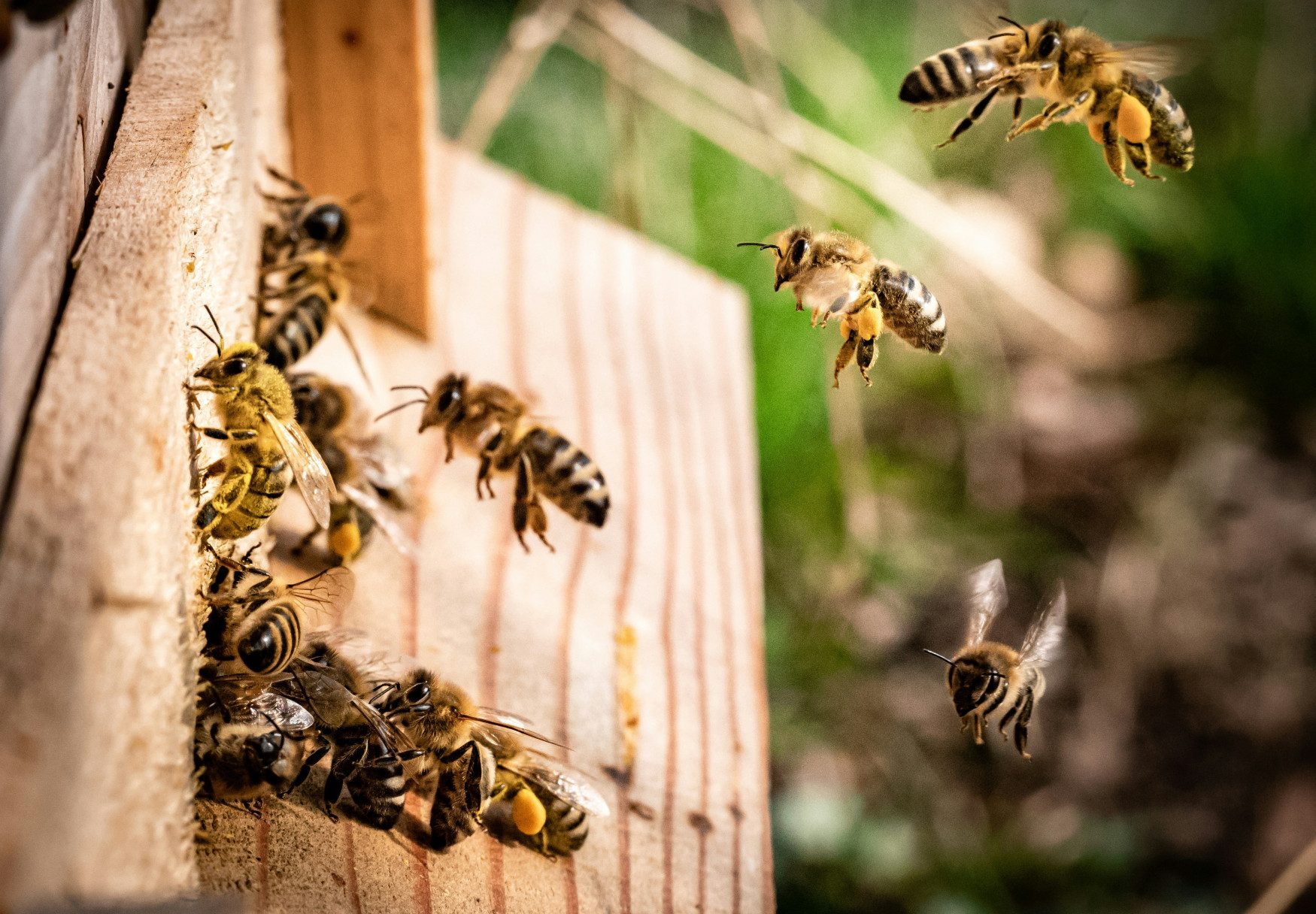
While TRU has had a small colony of honey bee hives on campus since 2011, as a project started by former Culinary Arts instructor Ron Rosentreter, they are primarily used to teach students about sustainable food and ecosystems.
With Bee City Campus designation, TRU is investing more in native bee and pollinator habitat, as well as improving signage to educate the campus community of the bees’ importance in our regional ecosystems.
“Everyone in BC has been keenly aware of the pressing impacts of climate change over the last few fire seasons. Perhaps just as striking for many researchers is the devastating loss of biodiversity throughout the province. Native pollinators are critical species that maintain threatened ecosystems and support biodiversity. This designation will help TRU be a leader in native pollinator education,” said Dr. Courtney Mason, TRU Canada Research Chair, Rural Livelihoods and Sustainable Communities.
“It’s amazing how a tiny creature like a native bee can have such a profound effect on the broader environment. By taking steps to ensure that all bee populations (there are over 450 native bee species in BC) and the plants they depend on are healthy, the ripple effect means a move diverse and healthier environment for all species,” said TRU manager of Sustainability Programs James Gordon.
Bees also play a pivotal role in the world’s food production. Scientists and environmentalists alike are especially concerned about the decline of native bee populations and their direct contributions to healthy ecosystems and broader food security.
–30–
Contact:
James Gordon, Manager of Sustainability Programs
Sustainability Office, Thompson Rivers University
250-572-2740 (cell) | [email protected]
Dr. Courtney Mason, Canada Research Chair, Rural Livelihoods and Sustainable Communities
Faculty of Adventure, Culinary Arts and Tourism, Thompson Rivers University
250-828-5446 | [email protected]