
Less waste, better choices: rethinking restaurant menus
Food waste in restaurants is often seen as a back-of-house issue. New research suggests a significant share of waste begins much earlier — at the moment a customer places an order.
That insight is at the centre of ongoing research by Assistant Professor Dr. Yaou Hu in the Faculty of Adventure, Culinary Arts and Tourism at Thompson Rivers University. While her current project focuses on food waste reduction, Hu’s broader research interests include service innovation, sustainability, and consumer and employee wellbeing. Her work explores how clearer menu communication can help reduce unintentional food waste in restaurants and digital ordering environments.
Why restaurant food waste matters
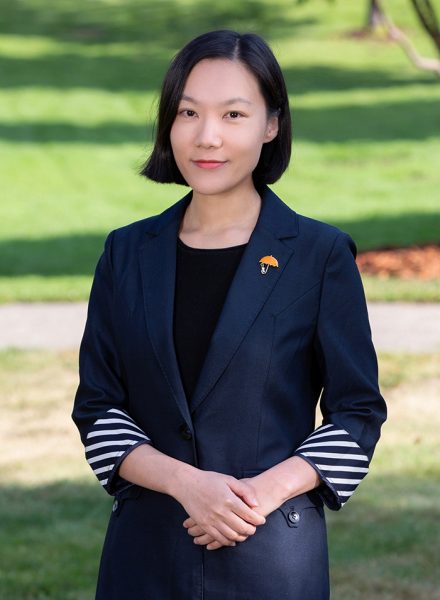
Yaou Hu is an assistant professor in the Faculty of Adventure, Culinary Arts and Tourism at TRU. Her research explores how clearer menu communication can help reduce unintentional food waste in restaurants and digital ordering environments.
Food waste sits at the intersection of environmental, social and economic sustainability. Wasted food contributes to greenhouse gas emissions and food insecurity and restaurants play a particularly important role. In Canada and globally, a large share of food waste occurs in food service settings, and much of it is avoidable.
“At a time when food security and sustainability are increasingly urgent, understanding how to reduce avoidable restaurant food waste offers a meaningful opportunity to make progress,” Hu says.
At the heart of the research is a simple problem: people rarely waste food on purpose, but they may order more than they can finish because they lack clear information, especially about portion size.
The idea for the project was sparked by a real-world experience during a business trip. While dining at a restaurant with a culturally diverse menu, Hu and her colleagues struggled to understand portion sizes from text descriptions alone. The portions turned out to be much larger than expected, and with travel constraints, leftovers were not an option.
“That experience highlighted how unclear menu communication can unintentionally lead to over-ordering and food waste,” Hu says.
This issue is particularly relevant in culturally diverse settings like Canada, where diners may have different levels of familiarity with the foods being offered.
Use-inspired research with practical impact
Hu describes the project as use-inspired research — work grounded in academic theory and intentionally designed to address real-world challenges faced by restaurants and consumers.
Drawing on concepts such as information asymmetry and contrast effects, the research examines how gaps in portion-size communication can lead to unintentional food waste. Rather than focusing on consumer persuasion or major operational changes, the work emphasizes practical improvements to menu design that support better-informed ordering decisions.
Making portion sizes easier to understand
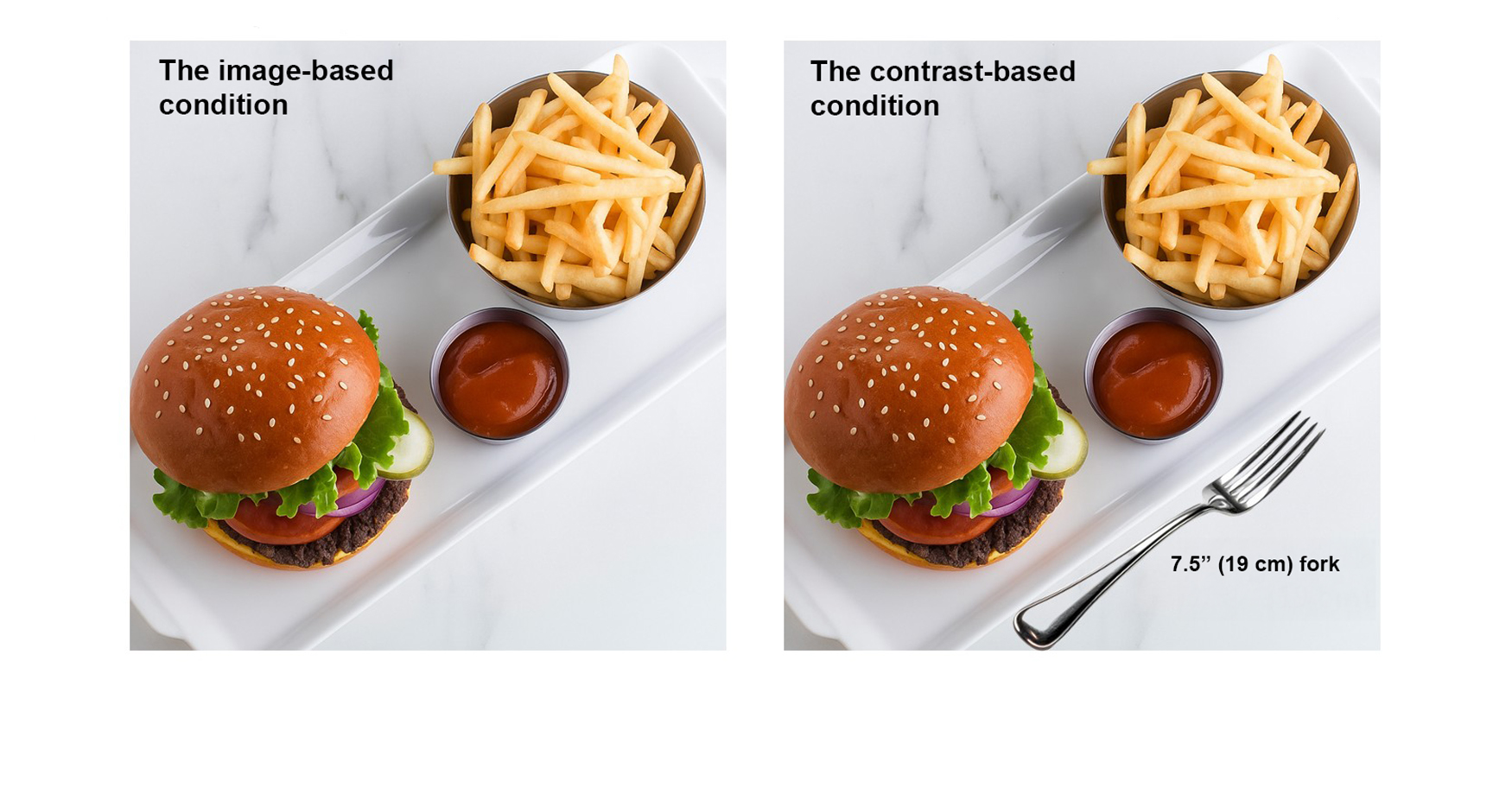
One approach explored in the research is contrast-based menu design, which presents food portions alongside familiar reference objects, such as utensils, to make size easier to judge.
By reducing guesswork at the point of ordering, this approach can help diners order amounts that better match their appetite, improving the dining experience while reducing avoidable waste.
Supporting sustainability goals
By focusing on prevention at the point of ordering, the research aligns with broader sustainability efforts in the food service and tourism sectors. It also supports the United Nations’ Sustainable Development Goal 12.3, which calls for halving per-capita food waste at the retail and consumer levels.
Hu’s research article, “Reducing portion size misperception and food waste in restaurants through contrast-based menu communication,” was published in the March 2026 edition of the Journal of Hospitality and Tourism Management, a top-tier Social Sciences Citation Index (SSCI) Quartile 1 journal.
This ongoing project is supported by the Social Sciences and Humanities Research Council of Canada through an Insight Development Grant.
Thompson Rivers University is leading in sustainability. Learn more about TRU’s contributions to the UN Sustainable Development Goals.