
Conservation and collaboration: bridging Indigenous knowledge and scholarly research
In a world where conservation efforts increasingly recognize the importance of Indigenous rights and sustainable development, innovative research initiatives are crucial.
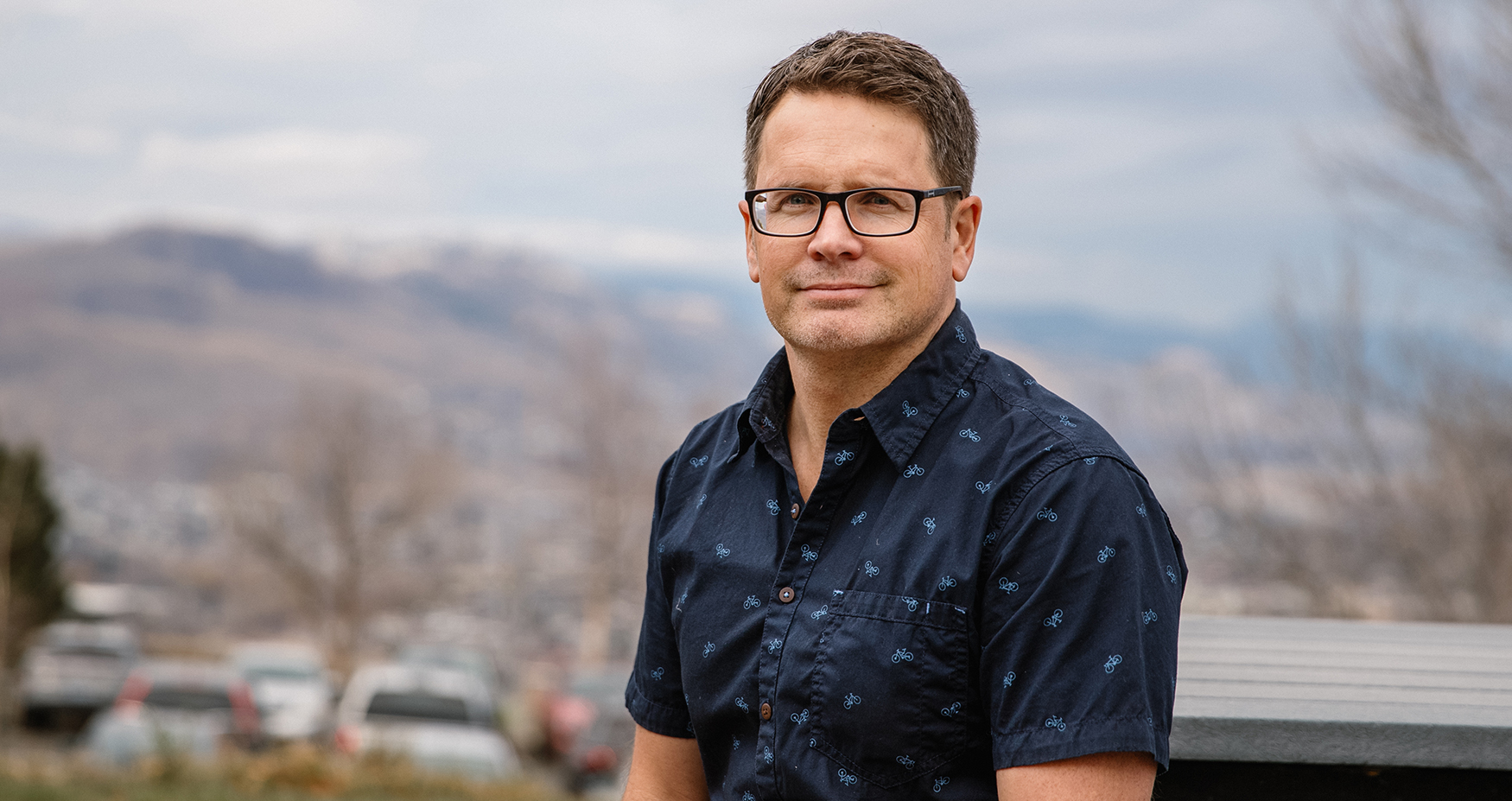
Leading this important work is Dr. Courtney Mason, a professor and Canada Research Chair in Tourism Management and Natural Resource Science at Thompson Rivers University (TRU).
Mason’s current team project, Indigenous-led Conservation for Reconciliation in Parks and Protected Areas, is set to advance conservation strategies that not only protect the environment but also empower the communities that have stewarded these lands for generations. This initiative is supported by a recent $310,000 grant from the Social Sciences and Humanities Research Council (SSHRC) Insight Grants program (2025-3030), $375,000 from Braiding Knowledge Canada (2024-2027), and various other partnerships.
This funding supports Mason’s collaborative research with Indigenous communities in Western Canada and in Aotearoa New Zealand.
Mason’s research with a number of TRU colleagues focuses on overcoming practical and legal challenges to assert land rights, foster economic development and safeguard ecosystems in conservation areas.
Conservation efforts
For several years, Mason has been deeply committed to reimagining how we approach the management of parks and protected areas, and more broadly, reshaping our perspectives on environmental conservation. While working in New Zealand, Mason was drawn to how the Māori play a significant role in managing natural resources, including parks.
“They have something interesting called ‘legal personality,’ and it’s the idea that an ecological resource like a mountain, a river, or a park is given the legal recognition of a human being,” says Mason. “So, as human beings, we have certain rights and responsibilities in our society, and in New Zealand, they’ve engaged with this concept throughout their legal system.”
Mason’s work in New Zealand offers a compelling framework he hopes Canada considers in its conservation efforts. This model, where ecological entities are granted legal status, resonates with Canada’s commitment to address biodiversity loss through the ambitious “30 by 30” initiative. By introducing a new designation of park referred to as an Indigenous Protected and Conserved Areas, Indigenous Nations can work with Canada to protect 30% of its land and freshwater by 2030.
Indigenous communities who choose to identify key cultural and conservation spaces within their ancestral lands are the foundation of this initiative. Adapting concepts like ‘legal personality’ could further fortify these efforts, providing robust protection to many designated parks and protected areas across Canada.
Empowering communities
Mason highlights the importance of the project team working with each community based on what they need, aiming to support their unique interests and challenges.
“We anticipate the questions will vary among the communities we work with, but the essence remains the same: exploring how a newly envisioned protected area could serve local peoples and the environment,” he says.
As Mason highlights, establishing a protected area can address various priorities, ranging from wildlife conservation, climate resilience or economic development.
“If a community wants to create a protected area, particularly if it involves ancestral lands, they may want to understand its potential for carbon sequestration for example”, says Mason. “They could work with our team to determine the amount of carbon present in the area and assess its impact on climate resilience.
“Another community might express interest to protect species at risk, asking about the relevant regulations and laws, and how to safeguard these species. Meanwhile, a different community might want to invest in new economies centered around the protected area, to explore the potential for Indigenous tourism or ecotourism development.”
By working closely with different Indigenous Nations and understanding their unique needs and ideas, this collaborative research helps to create conservation areas that can lead to better environmental and community outcomes. This approach not only protects biodiversity, but it also underscores the importance of Indigenous leadership in environmental governance and all decision-making processes that affect their lands and resources.
Mason is supported by a diverse team of researchers and co-applicants at TRU, including Dr. Patrick Brouder, Jason Johnston and Dr. Kimberly Thomas-Francois from tourism management; Jessica Owen from natural resource science; Dr. Joel Wood from economics; and Dr. Natalie Clark from social work.