
Science publishes study on wildfire severity co-authored by TRU researcher
KAMLOOPS — A leading wildfire expert from Thompson Rivers University (TRU) has co-authored a study on the growing impact of fires in Canada over recent decades, published in the esteemed scientific journal, Science.
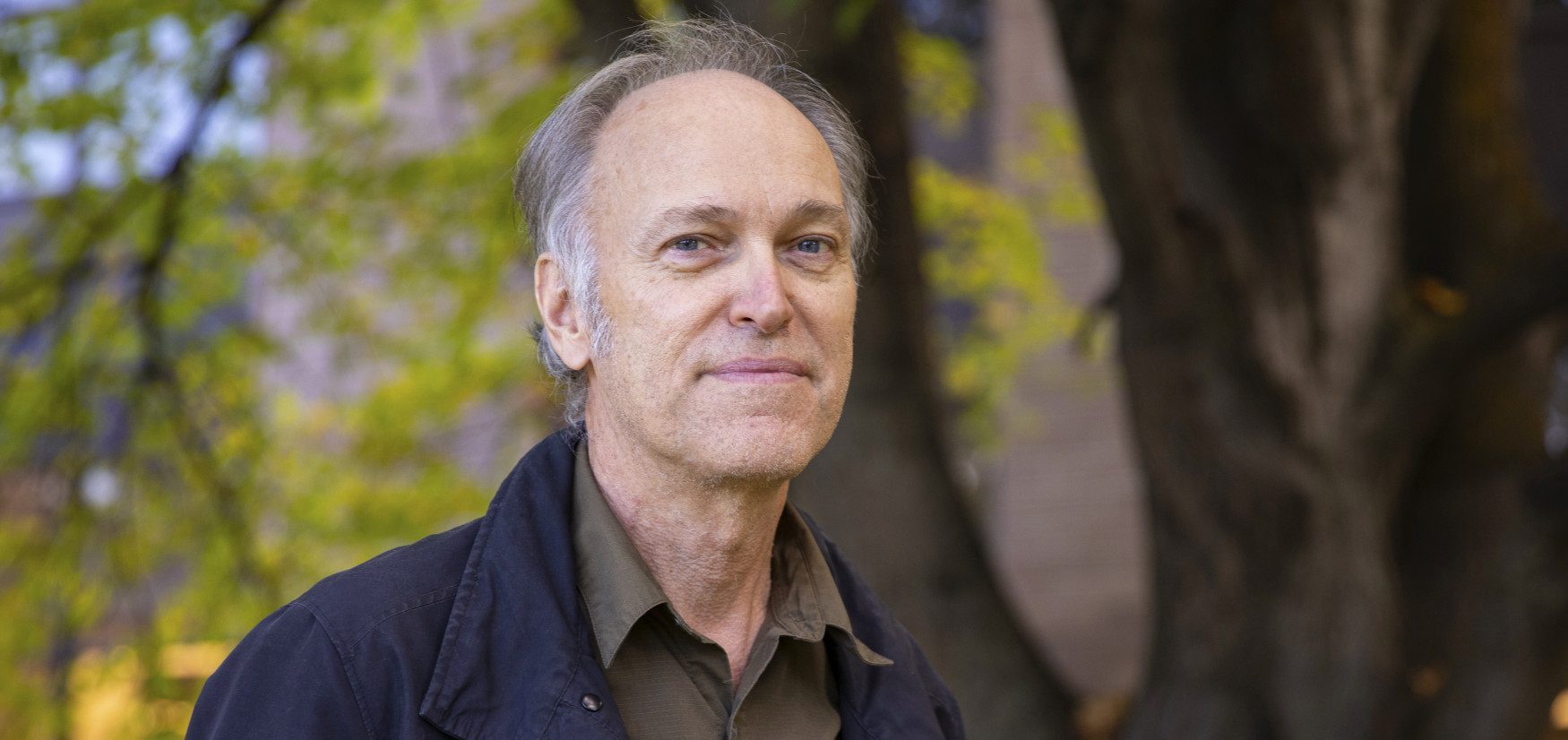
Dr. Mike Flannigan, scientific director of TRU’s Institute for Wildfire Science, Adaptation and Resiliency, worked with seven other researchers to explore why fires burned more severely in Canadian forests from 1981 to 2020 and how these patterns changed over time.
In the article, Canadian forests are more conducive to high-severity fires in recent decades, Flannigan and his colleagues demonstrated that dry fuel significantly increased fire severity, climate change had the biggest impact on northeastern and northwestern Canada, and severe fires occurred more frequently in the summer — yet there were also intense fire days during the spring and fall.
Other important findings include: All 10 Canadian ecozones, like the boreal plains and the northern Arctic, experienced more severe fires, affecting six per cent of areas studied, and the last 20 years (2001-2020) were worse for severe fires than between 1981-2000. The extreme fire season of 2023 showed similar patterns, but with more areas experiencing severe fires.
“Dr. Flannigan’s groundbreaking work in wildfire science, highlighted in Science, demonstrates his strong commitment to improving our understanding of wildfires at the local, national and international levels,” said TRU’s Vice-President Research Shannon Wagner.
“TRU supports a collaborative research environment, fostering partnerships with scientific communities, government agencies and industry leaders to address the pressing challenges faced by wildfire-affected regions.”
Flannigan’s primary research interests are in fire and weather/climate interactions, including the potential impact of climatic change, lightning-ignited forest fires, landscape fire modelling and interactions between vegetation, fire and weather. He works collaboratively with several organizations and researchers, including the BC Wildfire Service and Canada Wildfire, and the co-authors of the Science article.
“The results of climate change can be seen in drier vegetation and fuels in Canada’s ecozones. This is leading to more severe wildfires. And all indications are that this trend will continue,” he said.
–30–
Contact:
Dr. Mike Flannigan, scientific director of the Institute for Wildfire Science, Adaptation and Resiliency
Faculty of Science, Thompson Rivers University
780-222-6819 | [email protected]